Three-Citrus Marmalade
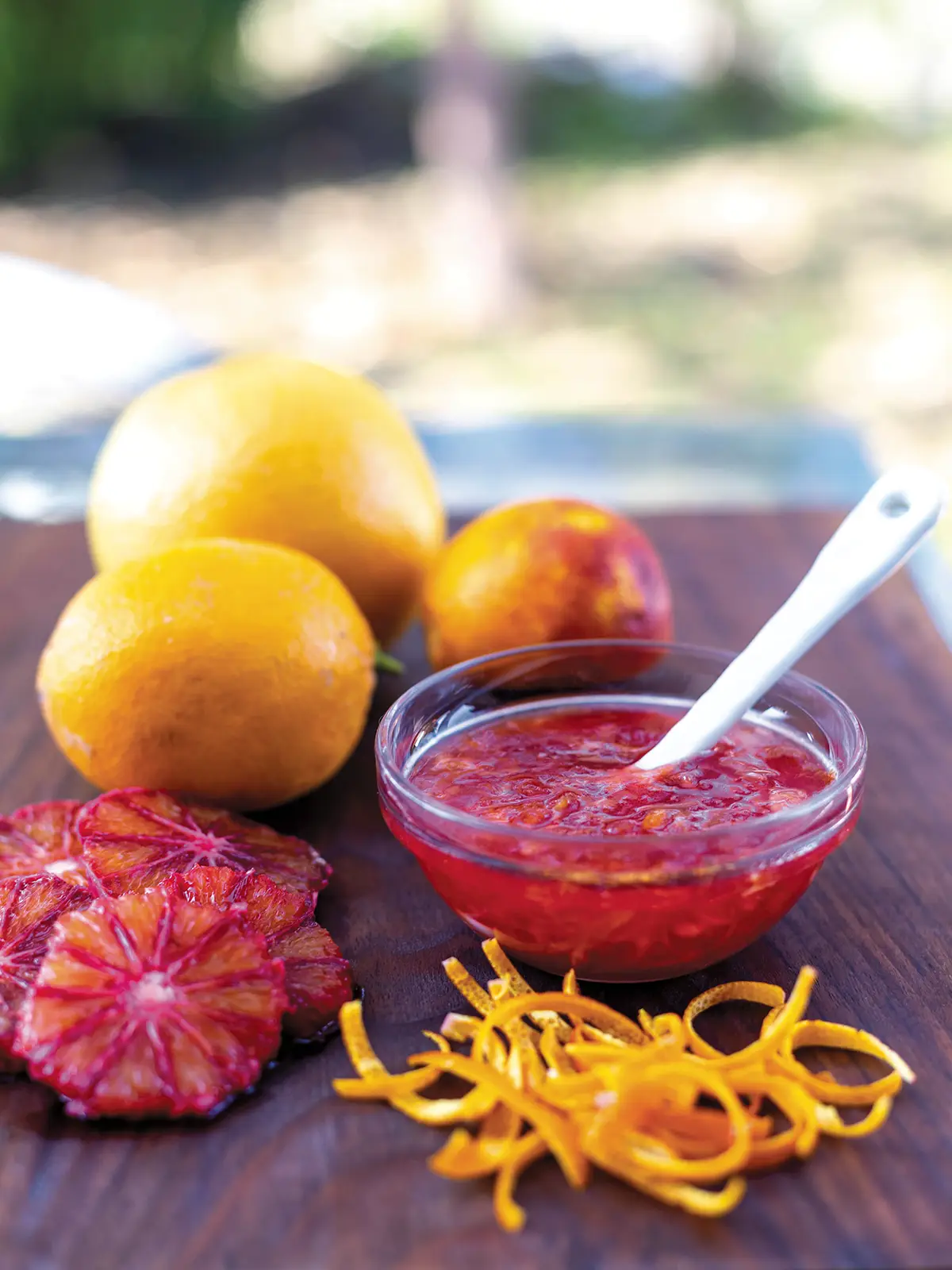
Bright, tangy, and just the right amount of sweet, this Three-Citrus Marmalade captures the vibrant flavors of winter citrus in every spoonful. Adapted from Well-Preserved: Recipes and Techniques for Putting Up Small Batches of Seasonal Foods by Eugenia Bone (New York: Clarkson Potter, 2009), this recipe makes a manageable batch that’s perfect for stocking your pantry or sharing as gifts.
Three-Citrus Marmalade
Ingredients
- 1½ large red grapefruits
- 9 medium blood oranges
- 5 large Meyer Lemons
- 8 cups sugar
- 1 teaspoon unsalted butter
Instructions
- Using your hands or a paring knife, peel two blood oranges and three lemons, keeping the peels in the largest pieces possible. Scrape off most of the white pith from the peels using a paring knife or the tip of a grapefruit spoon. Remove any remaining pith from the peeled fruit, though leaving a little is fine. Slice the peels into thin matchsticks, yielding about 1¾ cups. If needed, peel an additional orange or two to reach the desired amount.
- Peel the remaining fruit the same way, discarding or reserving the peels for another use. Remove any remaining pith from the fruit. Halve the fruit along the equator and remove the seeds with a paring knife. Pulse the fruit in a food processor until it forms a chunky pulp, yielding about 8 cups. The amount may vary based on fruit size, so be sure to measure it. Use 1 cup of sugar for each cup of pulp.
- In a medium saucepan, cover the slivered rinds with 5 cups of water and cook over medium heat until tender, about 25 minutes. Do not drain. Let cool, then add the pulp and refrigerate, covered, for 2 hours.
- Transfer the rinds, pulp and cooking water to a large, wide, heavy pot. Add the sugar and butter (which helps reduce foaming, though some may still occur). Use a wide pot rather than a deep one for quicker, more even cooking, and ensure it's no more than half full. A 12-quart stainless steel pot is ideal, but a wide 8-quart pot will work. Bring to a boil, then simmer over medium-low for about 30 minutes, stirring often and skimming foam as needed. The marmalade must reach 220°F to jell. If using a candy thermometer, attach it to the pot for quick readings, or use an instant-read thermometer.
- If you don't have a thermometer, use the spoon test. Keep a large spoon in the freezer, then place a small amount of marmalade on it. If it jells within a few seconds and wrinkles when pushed with your finger, it's ready. It's best to use both the thermometer and spoon test—if the spoon test indicates doneness, trust it, even if the temperature is slightly below 220°F.
Canning Instructions
- In a large pot fitted with a rack, bring 10 half-pint jars to a boil (yields may vary, so include an extra jar or two just in case). Boil for 10 minutes, then remove with tongs or a jar lifter. Alternatively, you can sterilize jars in the dishwasher by running a cycle just before canning.
- Place new canning lids and rings in a small pan, cover with water, and bring to a boil. Simmer for 10 minutes, then turn off the heat, leaving lids in the hot water until needed.
- While jars are still hot and dry, ladle in the marmalade, leaving ½-inch headspace. Wipe jar rims, place inner lids, and screw on bands until just tight. A canning funnel makes filling easier, and a magnetic lid lifter helps transfer lids without burning your fingers.
- Place filled jars in a canning pot with a rack and add enough water to cover them by 3 inches. Cover, bring to a boil over high heat, and process for 10 minutes. Turn off the heat, wait 5 minutes, then remove jars with a jar lifter. The marmalade may seem runny but will thicken as it cools.
- Set jars on a kitchen towel and leave undisturbed for 6 hours or overnight. As they seal, you'll hear a popping sound, and the lids will become concave. If needed, process a second batch, ensuring jars are always submerged under 3 inches of water.
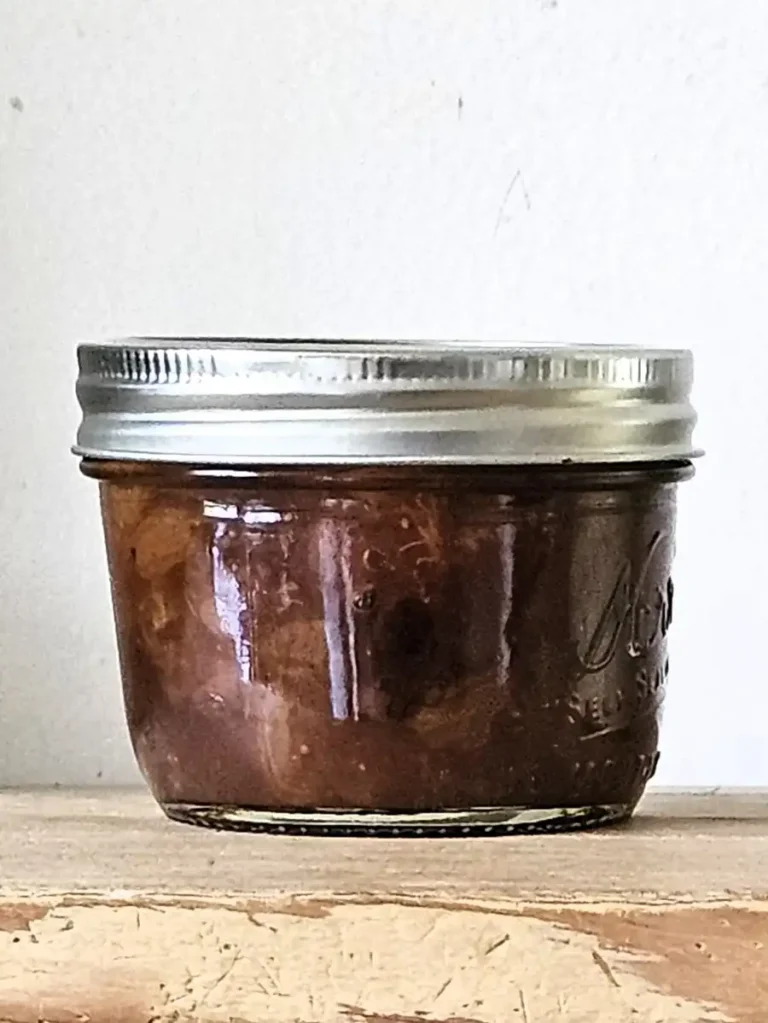
- The marmalade will keep for about a year, though it may darken slightly over time. Refrigerate after opening. If a lid doesn't seal (remains convex), store that jar in the fridge and use it first.
Nutrition

Janice Cook Knight
Janice Cook Knight is an award-winning writer and cooking teacher based in Santa Barbara. Author of the Follow Your Heart Cookbooks, she’s worked as a restaurant chef, food coach, recipe tester for Bon Appetit Magazine, and as a lecturer on Julia Child for the Road Scholar program. She moved recently and is in the process of creating a new edible garden with her husband, Jim.