Food for Thought: Spring 2026
We have work to do. This season is about the determination and resolve we have that motivates us to make good use of our time, to follow our calling and seek out something better.
Our farmers and small businesses have work to do—outside events beyond our control affect them, yet crops need tending, animals need feeding and bills are coming due.
We have work to do—right now and, just as important, tomorrow, the next season and over the next year.
The weather impacts us, world events impact us, tariffs impact us. But in our smaller world we must still tend to the work that impacts us daily.
We should tend to our health, our neighbors and the passions that keep us looking forward, and be cognizant that our impacts affect others and their impacts affect us. Psychologist Abraham Maslow’s “hierarchy of needs” shows that the most basic level—hunger—must be addressed before our other needs can be met. So let’s feed ourselves, and feed our neighbors. It’s here that we build resilience, build something a little bit better, and reinforce habits that make us and our community healthier. We all have the ability to offer a supportive gesture and affect outcomes.
When I visited Bridgehouse Farm in Lompoc, the first flush of strawberries were ripening. The fragrance alone was remarkable and we inhaled deeply. It brought me back to childhood, eating them simply and decadently. It reinforced that growing food and feeding others is a trait that farmers already know, passed between generations. It shows hospitality. It’s not simply a job, it’s an innate part of identity.
In this issue we check in with the Women Winemakers and Culinarians as they gather for their yearly Grand Tasting, working together as a community to uplift each other’s work. A rising tide lifts all boats.
We revisit the Tajiguas Landfill near Gaviota and how Santa Barbara County works to reduce, reuse and recycle. When you throw something away, what is away? Away is still right here.
We explore the farms that practice regenerative ranching and acknowledge the extra work that goes into sustainable practices.
We all seem to be one degree of separation from the White Buffalo Land Trust near Jalama. Ideally, we should have no degree of separation.
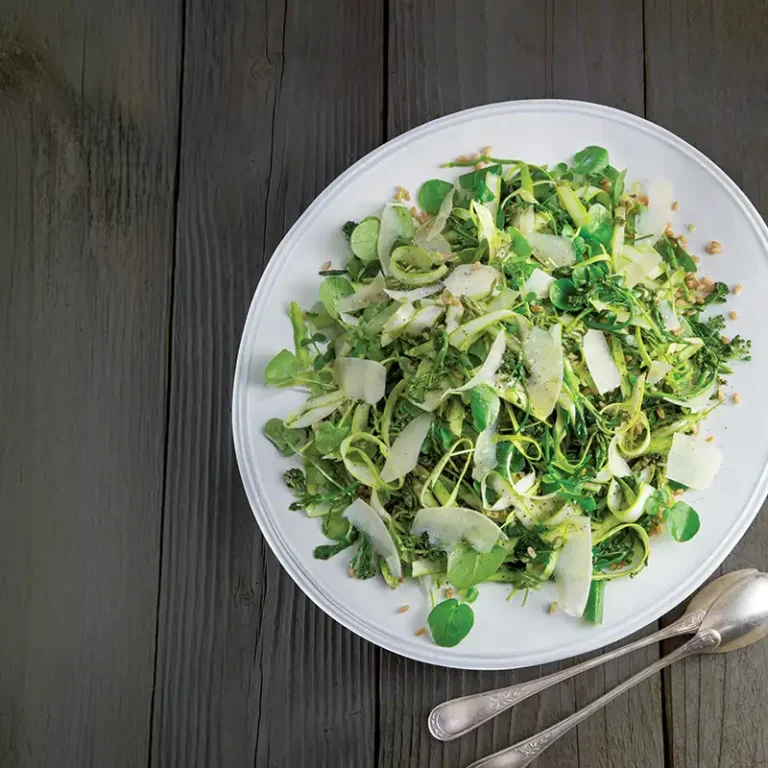
Springtime invites us back outside. Recipes encourage us to give peas a chance. Our local people and food systems remain hard at work, encouraging us to do the same, one strawberry, one glass, one class and one plant at a time. Stay curious, my friends!
Did you know that each copy of each Edible issue, on average, passes through three sets of hands? Take the time to read this edition, then reuse by sharing it with others and, when it’s time, recycle it. We print on quality uncoated paper using vegetable-based ink for a reason. Enjoy the experience.